

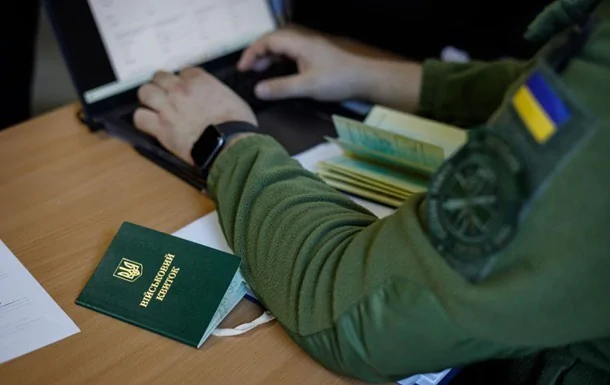
For businesses operating in the mountainous districts of Lviv region, retaining key specialists is more critical than ever. Skole is a region with a unique economic structure: from large woodworking factories to small farms and hotel complexes. In such conditions, the absence of even one specialist can paralyze an entire unit. Therefore, the employee deferment procedure requires managers not only to be patriotic but also to have a deep legal understanding, particularly regarding military occupational specialties (MOS).
The Scarcity Trap of MOS: What Skole Managers Need to Know
Even if your enterprise has been granted the status of “critically important” for the community’s livelihood, there are certain limitations that can come as a surprise. The main risk is that some military specialties are not subject to deferment. These are scarce personnel for the Armed Forces of Ukraine, possessing combat experience or skills in handling complex weaponry, communications, or intelligence.
The General Staff of the Armed Forces clearly defines the list of MOS codes for which deferment is not granted. If your lead mechanic, heavy vehicle driver, or system administrator has such a code in their military ID, the “Diia” system or the Ministry of Economy will automatically issue a refusal. For the Skole community, where the labor market is quite narrow, this means an urgent need to find alternative solutions.
Expert Perspective: Position of the “Skole Development Office” NGO
A systematic approach to military registration is not a bureaucratic burden but an element of strategic community security. Every workplace in Skole that generates taxes contributes to victory.
As Stepan Ivanochko, Chair of the “Skole Development Office” NGO, notes:
“At the Development Office, we constantly monitor changes introduced by the new deferment law. The situation at the front is dynamic, and the list of non-deferrable MOS can change. My advice to every entrepreneur in Skole: do not wait for a summons for your employee. Conduct a full audit of military IDs today. If you find that a key specialist has a scarce specialty, your professionalism as a leader lies in preparing a Plan B. This may include training female specialists, engaging veterans, or individuals over 60. We must be flexible to keep our region’s economy alive. Conditions for reservist deferment are strict now but transparent for those who operate legally and know the law.”
Deferment Conditions: Checklist for Skole Businesses
To successfully complete the procedure and protect your team, enterprises in Skole should follow these steps:
-
Data Update: Ensure that all reservist employees have updated their information via “Reserve+” or at the Territorial Recruitment Center. Without current records, deferment is impossible.
-
Special Registry Check: Verify whether the employee is already on a special registry or entitled to a deferment under other legal provisions.
-
Quota Analysis: Typically, you can defer only 50% of reservist employees. Priority should be given to those ensuring uninterrupted production processes.
-
Proper Justification: In documents submitted to the Regional Military Administration, highlight how your enterprise’s work impacts Skole’s development and defense support (e.g., supplying timber for fortifications or paying significant local taxes).
Responsibility and Consequences
The deferment law prescribes strict oversight. If a deferred employee leaves, the manager must notify the Territorial Recruitment Center within one day to cancel the deferment. Violations of military registration rules entail serious fines and may lead to the enterprise losing its “critically important” status.
Stepan Ivanochko adds:
“Deferment is not a way to hide people from the army. It is a state instrument for balancing the front and the home front. At the Skole Development Office NGO, we help entrepreneurs navigate these complex processes. We believe that only a strong community with stable businesses can be a reliable rear. Study the law, stay legally informed, and remember: proper documentation today ensures production stability tomorrow.”
Military registration in Skole requires businesses to pay maximum attention to detail. Knowledge of scarce MOS and timely preparation of documents ensures that woodworking machinery keeps running, tourist facilities host visitors, and the community has resources to support the Armed Forces of Ukraine. The Skole Development Office NGO continues to provide consultative support to everyone aiming to develop the region in these challenging times.