

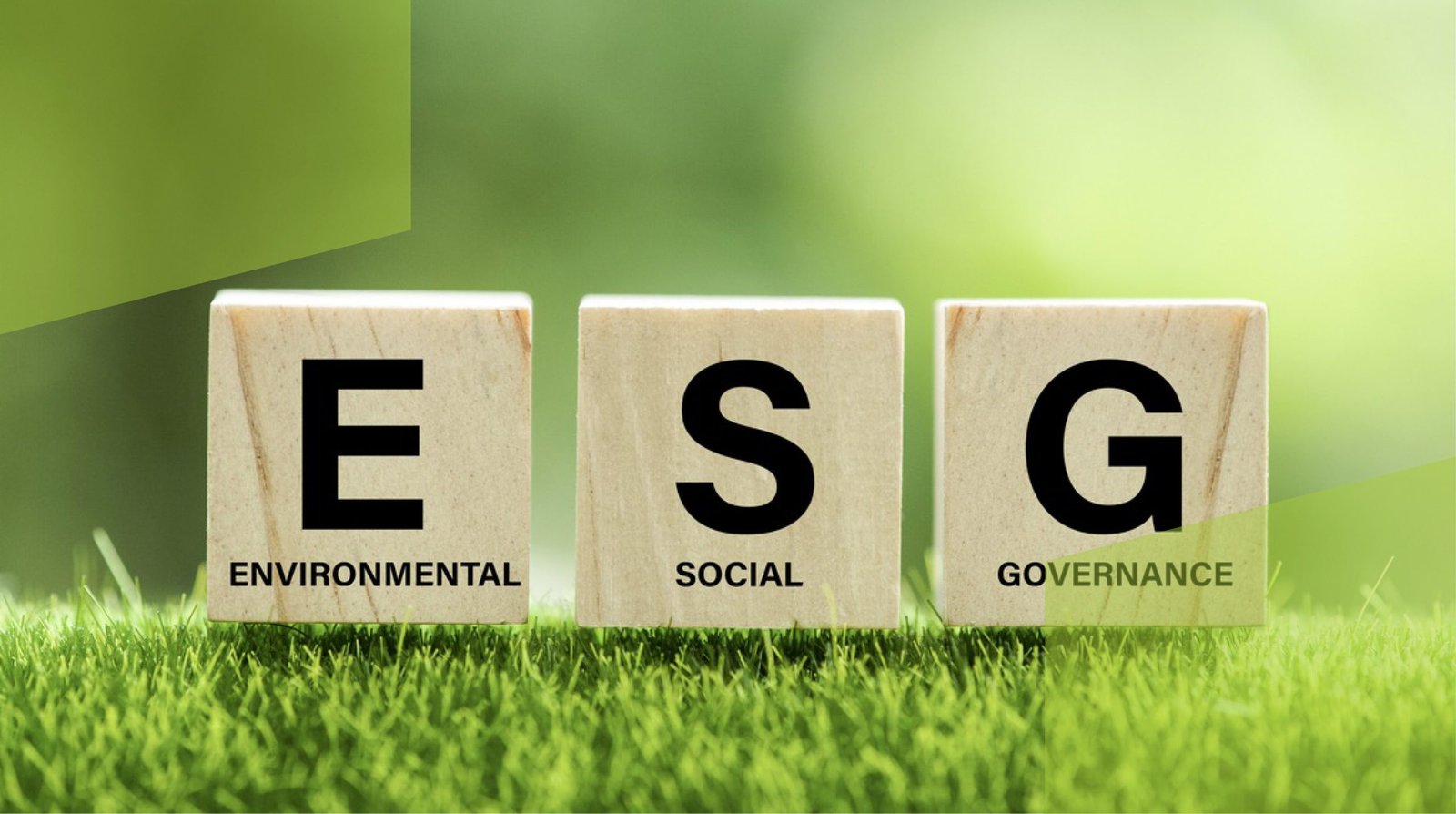
In today’s economy, investment decisions are increasingly shaped not by projected profits alone but by a company’s ability to remain resilient, responsible and strategically forward-thinking. ESG has become the dominant evaluation system for global investors, banks, funds and international organisations. The acronym — Environmental, Social and Governance — reflects how a business impacts the environment, society and the quality of its internal management processes.
ESG emerged as a response to global challenges: the climate crisis, social inequality, corporate scandals, corruption risks and the degradation of ecosystems. Today it is not a trend but a full-scale standard that determines whether a company will gain access to capital, international markets and long-term partnerships. ESG has effectively become a universal language that connects investors and businesses, enabling assessment not only of profitability but of responsibility and strategic stability.
The environmental dimension signals how responsibly a company uses natural resources and whether it implements technologies that reduce its ecological footprint. For investors, poor environmental performance equates to higher financial and regulatory risk. As countries introduce carbon taxes and regulators tighten controls, environmental negligence becomes not just a reputational weakness but a measurable financial threat.
The social dimension focuses on people. Investors assess working conditions, employee development, workplace safety and the company’s interactions with communities and partners. A business that generates social value builds stronger trust, experiences fewer reputational crises and demonstrates higher adaptability. Studies by Deloitte confirm that companies with strong social indicators outperform their competitors and recover faster from disruptions.
Governance, the third component, reflects the quality of management: transparency, accountability, the effectiveness of decision-making and the structure of ownership. Investors favour businesses with clear internal systems, anticorruption safeguards and predictable management processes. Governance is the foundation that supports the entire ESG framework; without it, environmental or social initiatives often collapse.
To understand why ESG has become central to investment strategy, consider several factors that drive this global shift:
- more than 90% of institutional investors worldwide have already integrated ESG into their decision-making systems;
- companies with strong ESG ratings demonstrate lower risk and higher long-term profitability;
- financial markets increasingly penalise businesses that ignore environmental or social standards;
- international banks, funds and government programs use ESG as a baseline requirement for financing;
- consumers are shifting toward brands that demonstrate responsibility and ethics.
ESG reshapes business processes at a fundamental level. Companies that integrate ESG into their strategies gain advantages such as access to cheaper capital, stronger reputational capital, greater customer loyalty and enhanced long-term resilience. ESG also helps predict and manage risks that traditional business models rarely accounted for, including climate-related disruptions, social instability and regulatory changes.
For Ukraine, ESG is particularly relevant. As the country undergoes reconstruction and aligns with European standards, compliance with ESG becomes a prerequisite for gaining access to EU funding, international grants and foreign investment. Companies that adopt ESG not merely on paper but in their governance and operations significantly strengthen their competitive position.
In essence, ESG is not just a checklist — it is a new paradigm of doing business. Responsibility, transparency and strategic thinking are no longer optional; they are tools of growth. Companies that integrate ESG today will become leaders of tomorrow’s economic landscape and set the foundation for a resilient, ethical and profitable future.