
Today, the Skole region is moving beyond traditional perceptions of mountain tourism or timber harvesting. The community is becoming a premier platform for implementing Care Farming (social farming)—a model that has proven its effectiveness for decades in the Netherlands, Norway, and the United Kingdom. In the context of Ukraine’s national challenges, particularly the need for the systemic recovery of veterans, this approach transforms a classic farm into an innovative center for medico-psychological rehabilitation.
Biogeocenosis as a Clinical Factor: Why the Skole Beskydy?
The effectiveness of rehabilitation directly depends on the environment. The Skole region possesses a unique “therapeutic landscape.” Scientific research in the field of ecopsychology confirms that visual and acoustic isolation, combined with the phytonocidal background of coniferous forests, acts as a natural inhibitor of stress reactions.
For military personnel returning from active combat zones, the transition from a state of “hypervigilance” to a secure sense of “grounding” is critical. The mid-altitude mountains of the Skole region (600–900 meters above sea level) provide an optimal level of atmospheric pressure and oxygen saturation. This environment stabilizes the cardiovascular system and significantly improves sleep quality—the fundamental basis of any successful recovery.
Interaction Protocols: From Agrotechnology to Neuroplasticity
Care Farming in the Skole region is not merely “country living”; it is a structured process where every agricultural activity is part of a rehabilitation protocol.
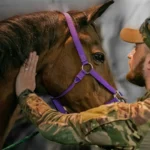
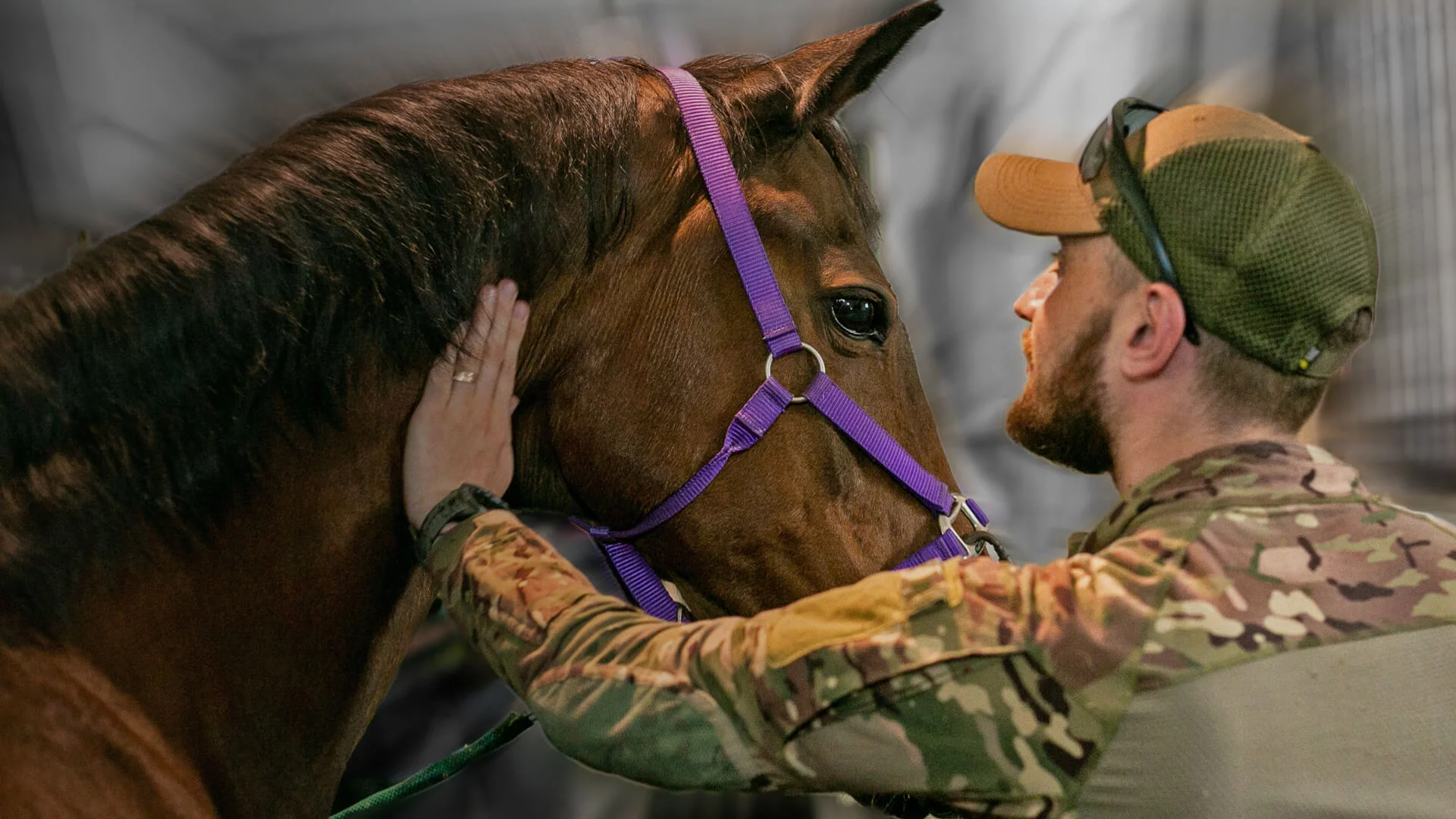
1. Sensory Integration and Animal Husbandry Working with horses or small ruminants (sheep and goats) is based on the principles of non-verbal communication. For veterans with PTSD, interaction with animals serves as a bridge to restoring emotional control. An animal does not judge; it reacts to a person’s internal state, forcing them to focus on the “here and now.” This allows for a gentle processing of traumatic experiences without direct retraumatization.
2. Horticultural Therapy: Restoring Motor Skills and Cognitive Function Cultivating medicinal herbs, berry patches, or managing high-tech greenhouses requires concentration and fine motor skills. Plant care stimulates the brain’s neuroplasticity. In Skole, this can be coupled with the cultivation of endemic species, adding scientific value to the project and engaging veterans in the mission of preserving natural heritage.
3. The Economy of “Collective Action” A vital part of military rehabilitation is restoring a sense of social significance. Care Farming allows individuals to see a tangible result of their labor—from a harvested crop to a crafted artisanal product. It is a journey from the status of “patient” to the status of “creator” and “entrepreneur.”
Business Analysis: The Double Bottom Line Capitalization Model
For an investor, Care Farming is an Impact Investing strategy where social impact directly converts into economic resilience.
-
The Market for “Purpose-Driven” Products: Modern consumers in the EU and Ukraine increasingly pay attention to a product’s social footprint. Cheeses, honey, or herbal blends labeled as “Produced by the Skole Rehabilitation Center” automatically enter the premium segment. This allows the farm to avoid price competition with mass-market agro-holdings.
-
Revenue Diversification: The model involves a combination of income from the sale of farm products and payments for rehabilitation services (via state contracts, international foundations, or corporate insurance programs).
-
ESG Rating: For large corporations, partnering with such farms is a direct path to improving their own Sustainability (Environmental, Social, and Governance) indicators, opening doors to preferential lending and institutional investment.
Skole Region as a National Laboratory for Care Farming
Due to its proximity to the EU border and efficient logistics, the Skole community has every chance to become Ukraine’s first social farming cluster. This allows for the integration of Western expertise directly into the Ukrainian context.
Developing such farms addresses the critical issue of veteran reintegration: they receive not only medical assistance but also new professional skills in an ecologically pristine region. Simultaneously, the community gains new jobs, the restoration of abandoned lands, and the growth of artisanal manufacturing.
Care Farming in the Skole region is more than just agriculture. It is the creation of an ecosystem where nature works alongside the therapist, and farming labor becomes a tool for returning a person to civilian life. For business, it is a rare opportunity to combine high profitability with a fundamental social mission, forming a new standard for sustainable development in the Carpathian region.