
The ancient history of the partnership between humans and horses
A horse is not just an animal. It is a symbol of the development of civilization, freedom, and dignity. It was thanks to horses that humans were able to travel long distances, establish trade, discover new lands, and build cities.
Archaeologists have proven that the first domesticated horses appeared on Ukrainian lands — in the steppes between the Dnieper and Don rivers, where the Trypillian culture tribes lived more than five thousand years ago. Ceramic models of sleds with harnessed horses have been found in Neolithic settlements in the Cherkasy region, indicating the early use of these animals in agriculture.
Later, in the era of the Scythians and Aryans, the horse became the basis of the worldview — a symbol of military valor, freedom, and spiritual strength. In the burial mounds of the Black Sea region, archaeologists have discovered gold jewelry in the shape of horses, harnesses, and chariots. This is how the archetype of the Ukrainian horseman was formed — a person for whom the horse is an extension of his own will.
The Carpathians — a land of strength and balance
The Carpathians have long been considered a land where people live in harmony with nature. It is here that ideal conditions for the development of horse breeding have been created: mountain pastures, clean air, spring water, and a mild climate.
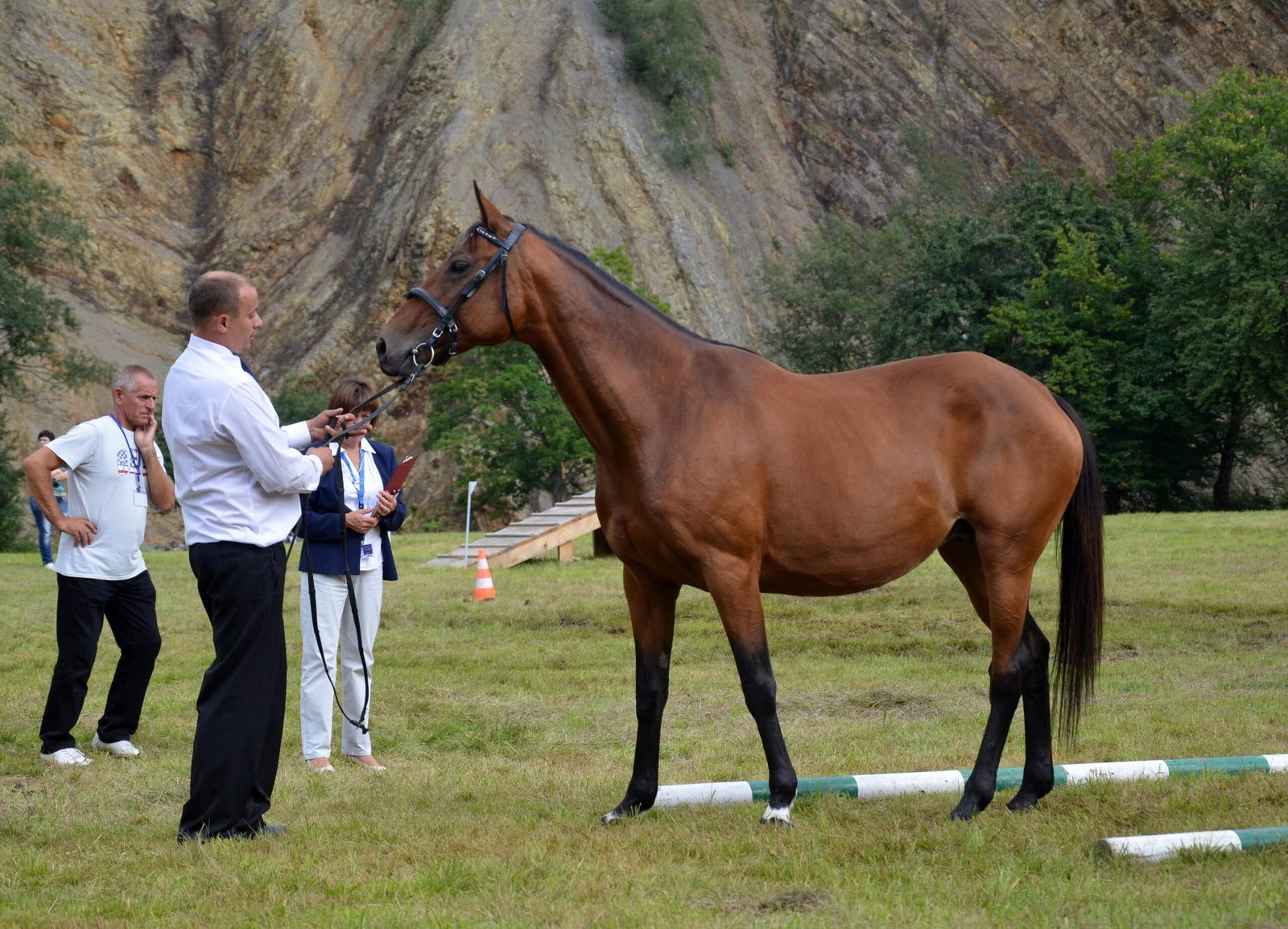
It was in these conditions that the Hutsul horse breed emerged — one of the oldest and most enduring in Europe. Small in stature but surprisingly strong, Hutsuls were indispensable for transporting goods along mountain trails, on military campaigns, and on mountain pastures. They became part of the spiritual code of the Carpathians — calm, reliable, and loyal to humans.
Today, when national breeds such as Icelandic, Friesian, Andalusian, and Arabian horses are being actively revived around the world, Ukraine has its own treasure: the Hutsul breed, which needs renewed attention, systematic support, and preservation.
The Hredel Stables — the historical heart of equestrian culture in Skole
In the very center of Skole, next to the ancient palace of the Hredel brothers, stands a stone stable — one of the few authentic 19th-century stables preserved in the Carpathians.
The Hredel brothers were entrepreneurs, patrons, and engineers who shaped the industrial and cultural identity of the Skole region. They introduced modern technologies of the time in the forestry and woodworking industries, built narrow-gauge railways, and developed transport and agriculture. Horse breeding was an integral part of their lives — workhorses helped in production, and riding horses accompanied their owners on trips and outings.
The Hredeliv stable has solid walls, high arches, and well-designed ventilation — all evidence that it was built with the needs of animals in mind. It is not just a building — it is a monument to an era when horses were the heart of the local economy and culture.
It is here, on this historical foundation, that the Skolivshchyna Development Office Community Association plans to create the Skolivshchyna Equestrian Culture Center — a place where history, sports, tourism, and rehabilitation will come together in a single philosophy of respect for nature and heritage.
Friesland: a new life for tradition
The Friesland project is a modern continuation of an old tradition. The idea was born out of a desire to preserve horse breeding as part of the cultural code of the Skole region, but to give it a new form — an ecological, tourist, and educational space.
The Friesland Horse & Eco-Hotel complex will be the first center in the Lviv region to combine:
- professional horse care in natural conditions;
- horse riding routes and tourism for visitors;
- rehabilitation programs with hippotherapy;
- teaching young people the basics of horse breeding and animal care.
Friesland is intended to become not only a place of recreation, but also an example of sustainable community development — creating new jobs, attracting investors, and developing the local brand of Skolivshchyna.
Hippotherapy: treatment through trust
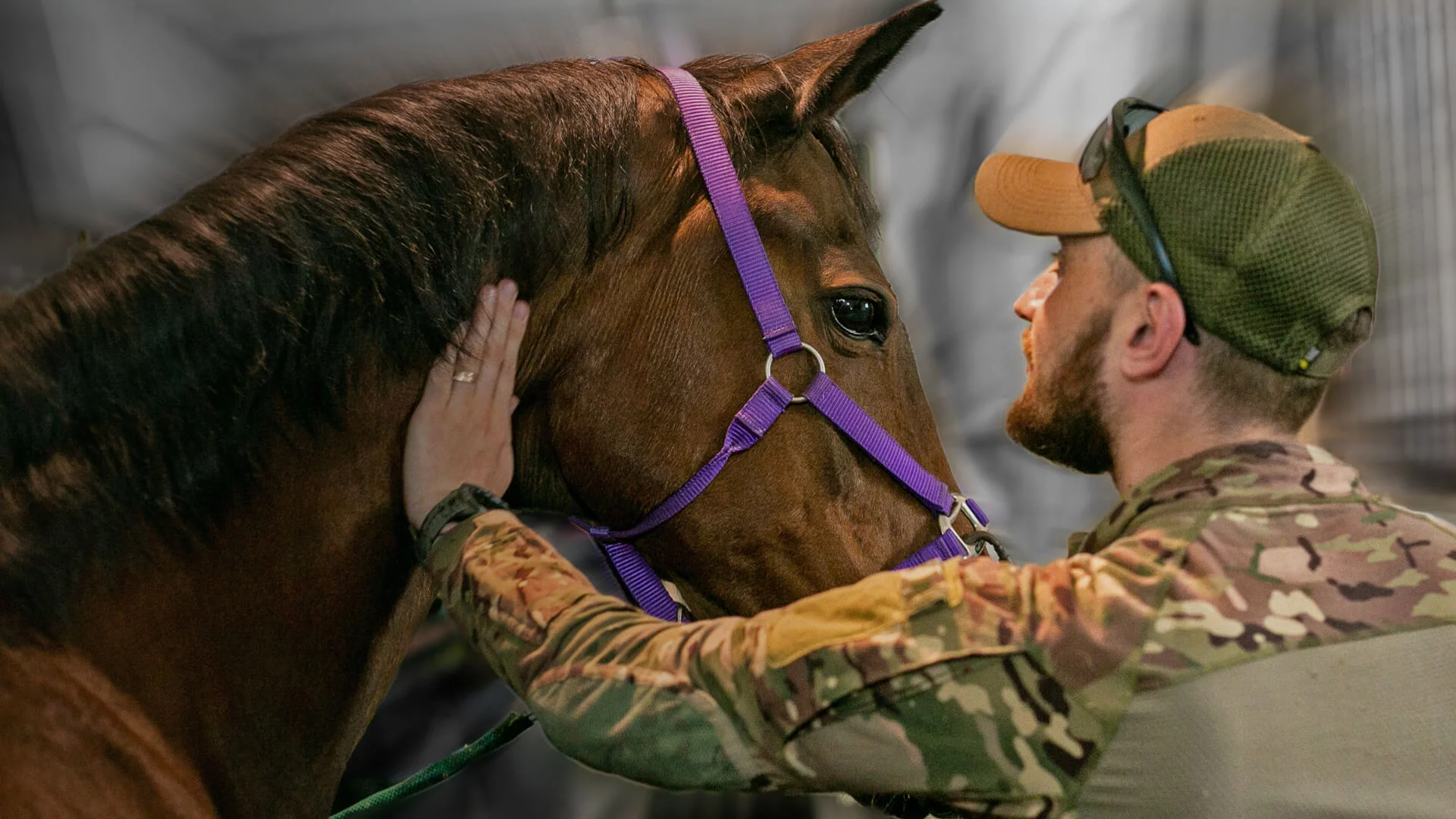
Hippotherapy, a method of treatment using the movement of horses, occupies a special place in the Friesland concept. It is the horse, with its steady rhythm of movement, that helps people restore balance, improve coordination, and relieve psychological tension.
The new center plans to offer dual rehabilitation programs — for people and animals.
It will feature:
- a veterinary clinic and a recovery program for horses after injuries;
- courses on humane treatment of animals;
- hippotherapy sessions for children, veterans, people with PTSD, and people with musculoskeletal disorders.
In this way, the horse returns to its true role — as an assistant, partner, and co-creator of harmony.
Horse breeding as a community development strategy
For Skolivshchyna, horse breeding is not just a tourist attraction. It is a strategic model that combines three dimensions: heritage, economy, and care.
The development of equestrian tourism and horse breeding centers includes:
- creating horse riding routes from the Hredel Palace to Tysovets, Oryavchyk, and Parashka;
- opening a training center for young people;
- launching the Carpathian Horse Festival;
- cooperating with international foundations to preserve the Hutsul breed.
Here, the horse is not just an animal — it is a symbol of the gentle power of Skolivshchyna, its cultural face and a point of attraction for tourists, researchers, and investors.
Revival of the spirit
The Hredel brothers once turned Skolivshchyna into a center of innovation in the Carpathians. Today, more than a century later, their work continues — in a new form, but with the same meaning: love for the land, for animals, for work.
The Skolivshchyna Development Office public association has taken on the mission not only to preserve this history, but also to give it a second wind. By restoring the Hredel stables and creating the Friesland Horse & Eco-Hotel, we are not just reviving buildings — we are bringing back to life the spirit of a place where horses were friends and humans were their worthy partners.
For it is in these connections that the true strength of the Carpathians and modern Ukraine lies.